By now you might have gathered that I have a slight obsession with China. This country is a force that is gaining unprecedented momentum everyday. Their massive manpower combined with ever increasing organization and productivity makes for one very strong nation.
This month in National Geographic the Wenzhou people are profiled. The Wenzhou hail from a province (Zhejiang) on the far eastern coast of China bordering the East China Sea. What is unique about this culture is the EXTREME business sense and entrepreneurship these people demonstrate. I honestly can't believe some of the things I am reading in this article.
"Recently, Wenzhou's Fortune Weekly conducted a survey of local millionaires. One question was: If forced to choose between your business and your family, which would it be? Of the respondents, 60 percent chose business, and 20 percent chose family. The other 20 percent couldn't make up their minds."
This is astounding! It is a culture that upholds industry and production above anything else. In Zhejiang, every town has a specific good that it produces. Instead of the centralized manufacturing that occurs in the rest of the world, China is focusing on specialty factories that dominate entire towns. Take these specific examples from the article:
Qiaotou's population is only 64,000, [note: this is about the pop. of Terre Haute] but 380 local factories produce more than 70 percent of the buttons for clothes made in China. In Wuyi, I asked some bystanders what the local product was. A man reached into his pocket and pulled out three playing cards—queens, all of them. The city manufactures more than one billion decks a year. Datang township makes one-third of the world's socks. Songxia produces 350 million umbrellas every year. Table tennis paddles come from Shangguan; Fenshui turns out pens; Xiaxie does jungle gyms. Forty percent of the world's neckties are made in Shengzhou.
And this increasing industrialization means BIG changes for Chinese infrastructure and population dynamics. What was once a rural and agrarian country is now growing at enjoying economic growth exceeding 11% annually!!! And this juggernaut has had the fastest growing economy for over 25 years running!!! And this is growth is having a profound effect on Chinese migration:
The economy is fueled by the largest migration the world has ever seen: An estimated 140 million rural Chinese have already left their homes, and another 45 million are expected to join the urban workforce in the next five years.
Those are some truly phenomenal numbers. Keep in mind that 140 million is about half of the ENTIRE U.S. POPULATION! And this massive migration has forced the construction of instant "just-add-water" cities that include dormitories for workers, factories, and basic necessities in a just a few months. In some cases, roads are built before manhole covers, streetlamps, or sidewalks are available and workers are moved into a city months before hospitals and clinics are opened.
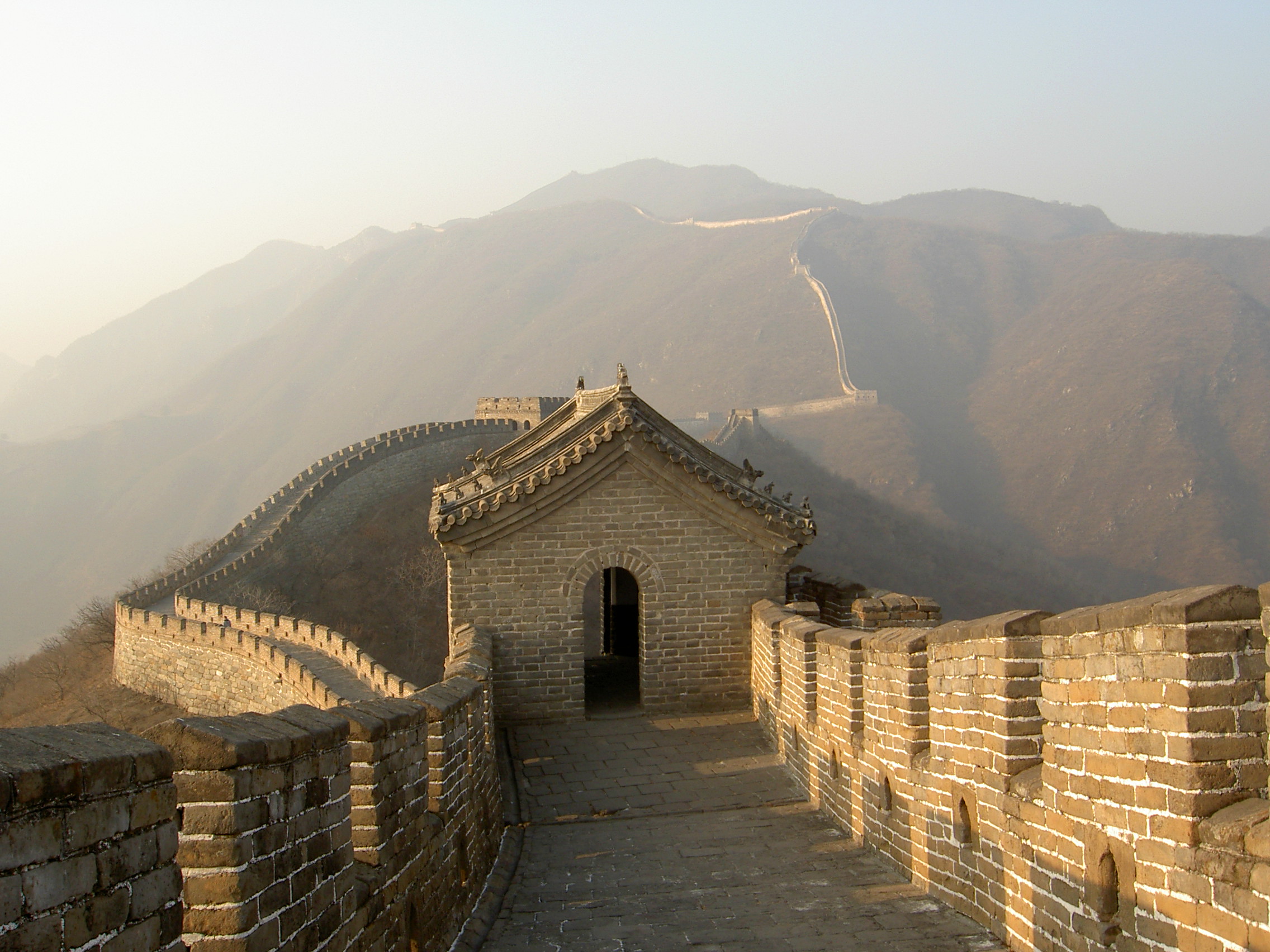
And the money for these ventures is coming from loans by state-owned banks that are funded through the central government. Normally this sort of growth is slowed by lowered demand for goods, but in China's case there has been no abating the world's insatiable hunger for consumer products. Remember, these are the people that built The Great Wall, a structure that is visible from space and was constructed between 200 BCE and 1600 AD (long before any modern machinery was available). As long as the rest of the world is consuming, China is going to continue growing...